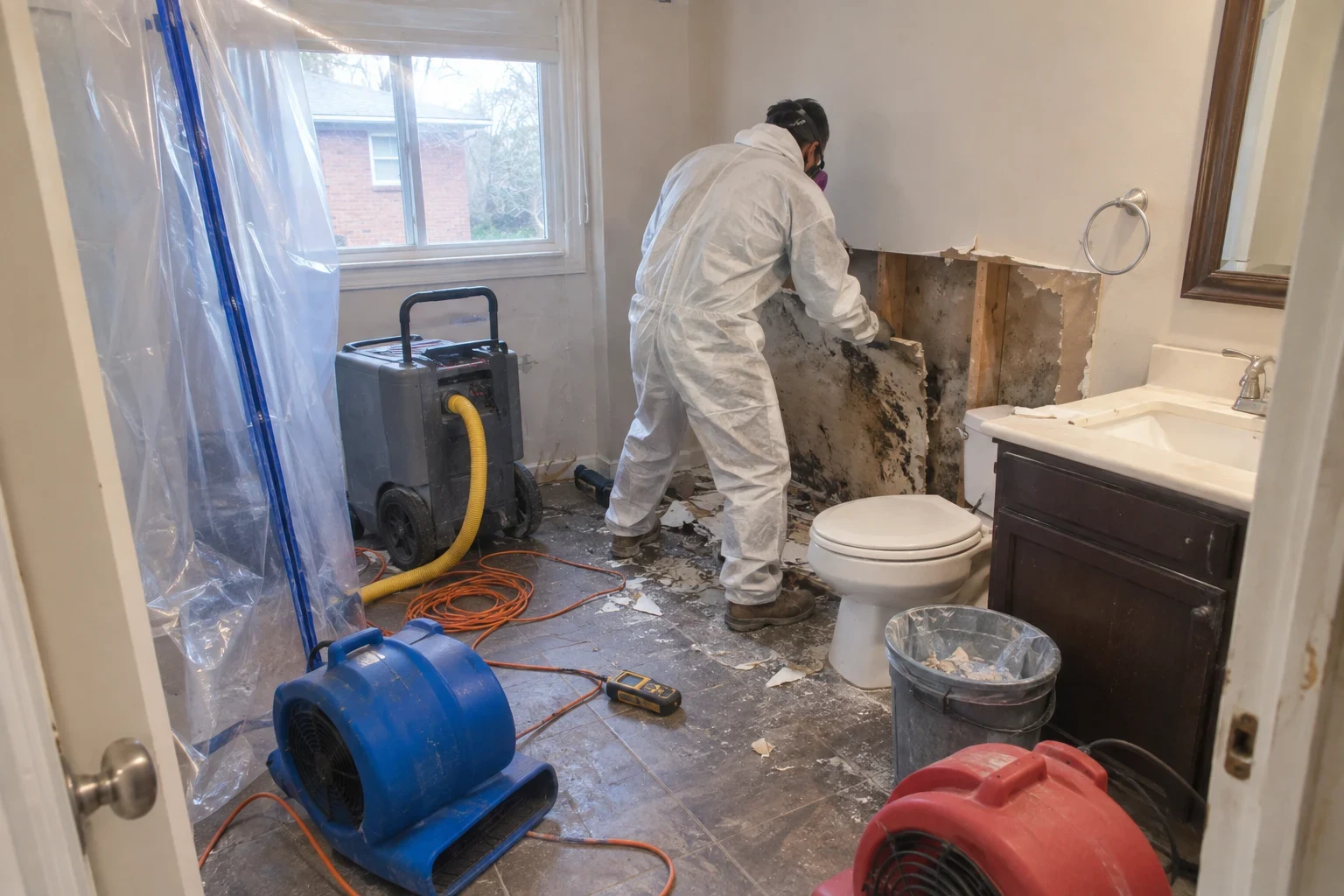
Careful Water Damage Restoration in East Highland Park
When a pipe gives way or a storm finds its way inside, we remove the water, dry the structure and put your home back together. We handle water extraction, drying, mold remediation, flood and sewage cleanup, and the repairs that follow, for homes in East Highland Park, Highland Springs, Sandston and nearby.
- Free on-site inspection
- Moisture readings you can see
- Emergency water damage response
- Repairs matched to the original
Why Homeowners Call Us for Older Houses
Water behaves differently in a house that has been patched, rewired and re-plumbed over several decades. We work with that history instead of around it.
- 01
We look for the old repairs
A previous owner's patch, a layer of vinyl over original pine or a wall furred out over plaster can trap water where a meter barely reaches. We check behind and beneath those layers before we decide what is dry.
- 02
Plaster and plank floors, handled with care
Plaster on lath and solid wood flooring can often be dried in place rather than torn out. We try that first when the readings and the material allow it, and we tell you plainly when they do not.
- 03
Photos and readings at every visit
You see what we see. We photograph damage as we find it and log moisture readings each day, which also gives your insurance adjuster a clear record.
- 04
One crew from extraction to rebuild
The people who dried the room are the people who close it up. That continuity matters when the new trim, flooring or plaster has to meet what is already there.
- 05
Honest answers on cause
In an older home the source is often an aging supply line, a corroded drain or a tired water heater. We point it out so the same leak does not return next season.
Restoration Services From First Water to Final Finish
Most water losses need more than one kind of work. Standing water comes out first, then the framing, subfloor and walls are dried to a measured target, and only then do we rebuild. We handle each stage ourselves, so nothing is left wet behind new drywall and nobody has to coordinate three different crews in your home.
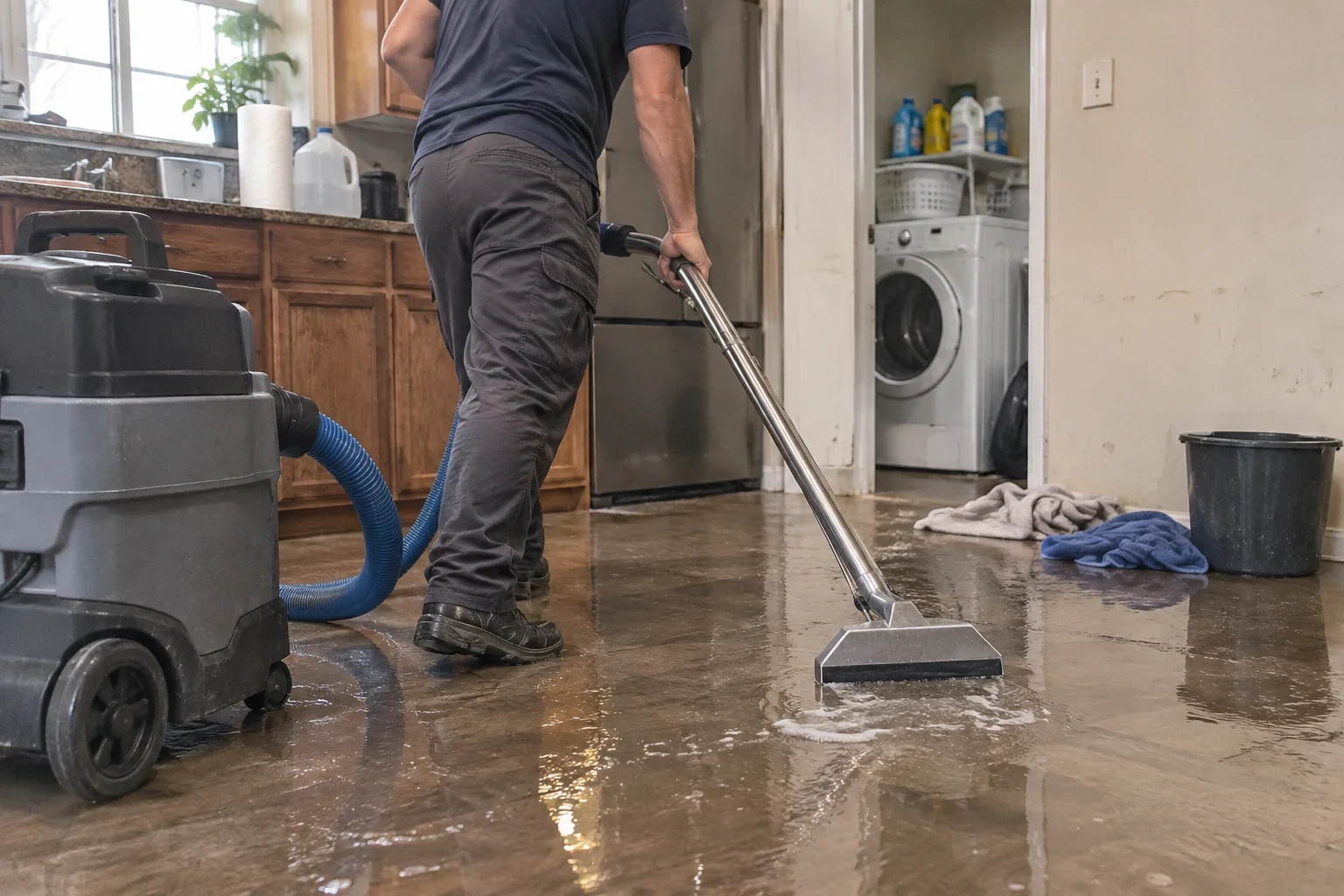
Water Extraction
We remove standing and soaked-in water from floors, carpet, basements and crawlspaces, then measure what is left so drying starts on the right footing.
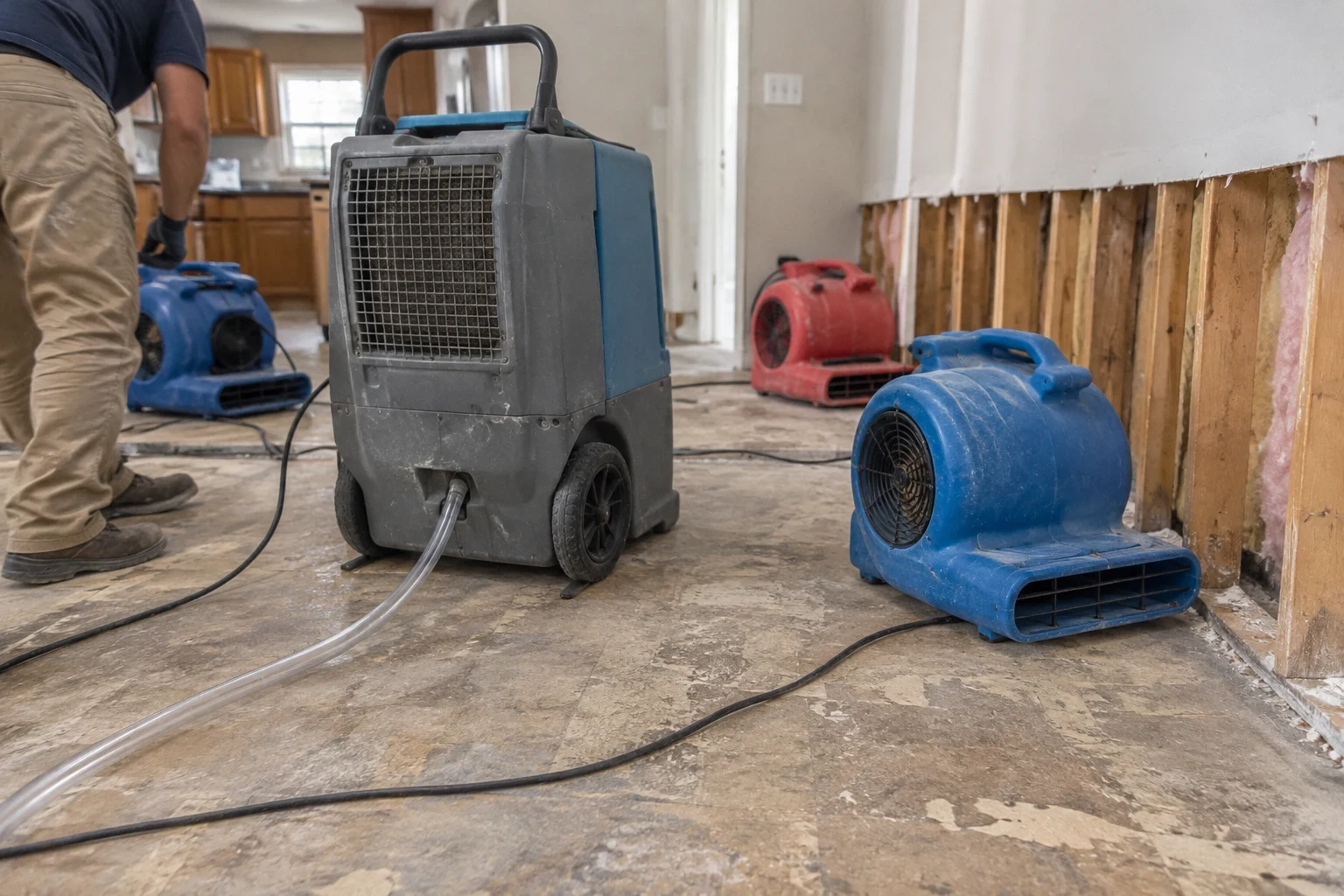
Drying and Dehumidifying
Controlled drying of walls, floors and framing, with daily moisture readings until every material is back to its normal dry level.
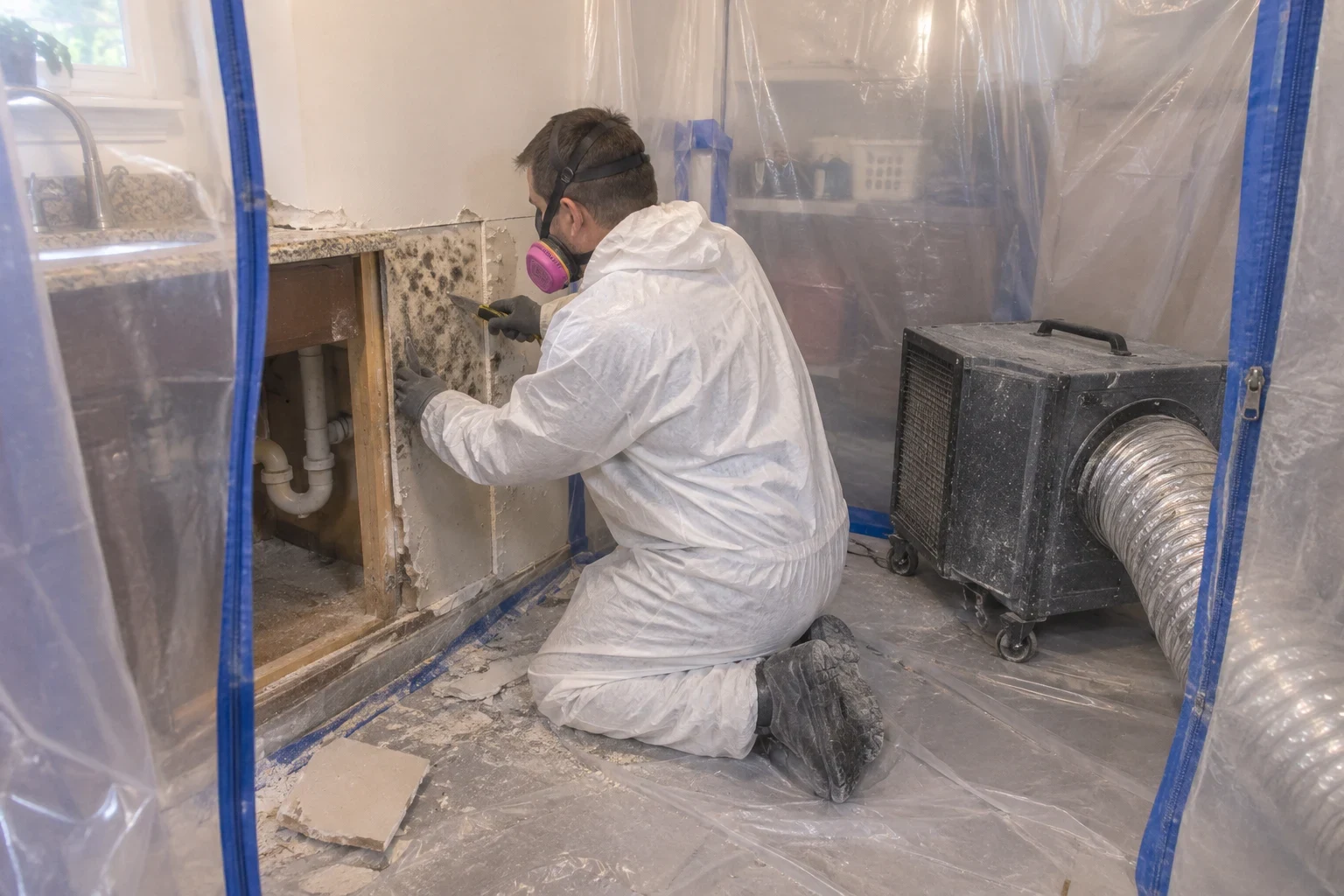
Mold Remediation
We contain the affected area, remove mold-damaged materials and fix the moisture behind it, with extra care for plaster, old framing and past repairs.
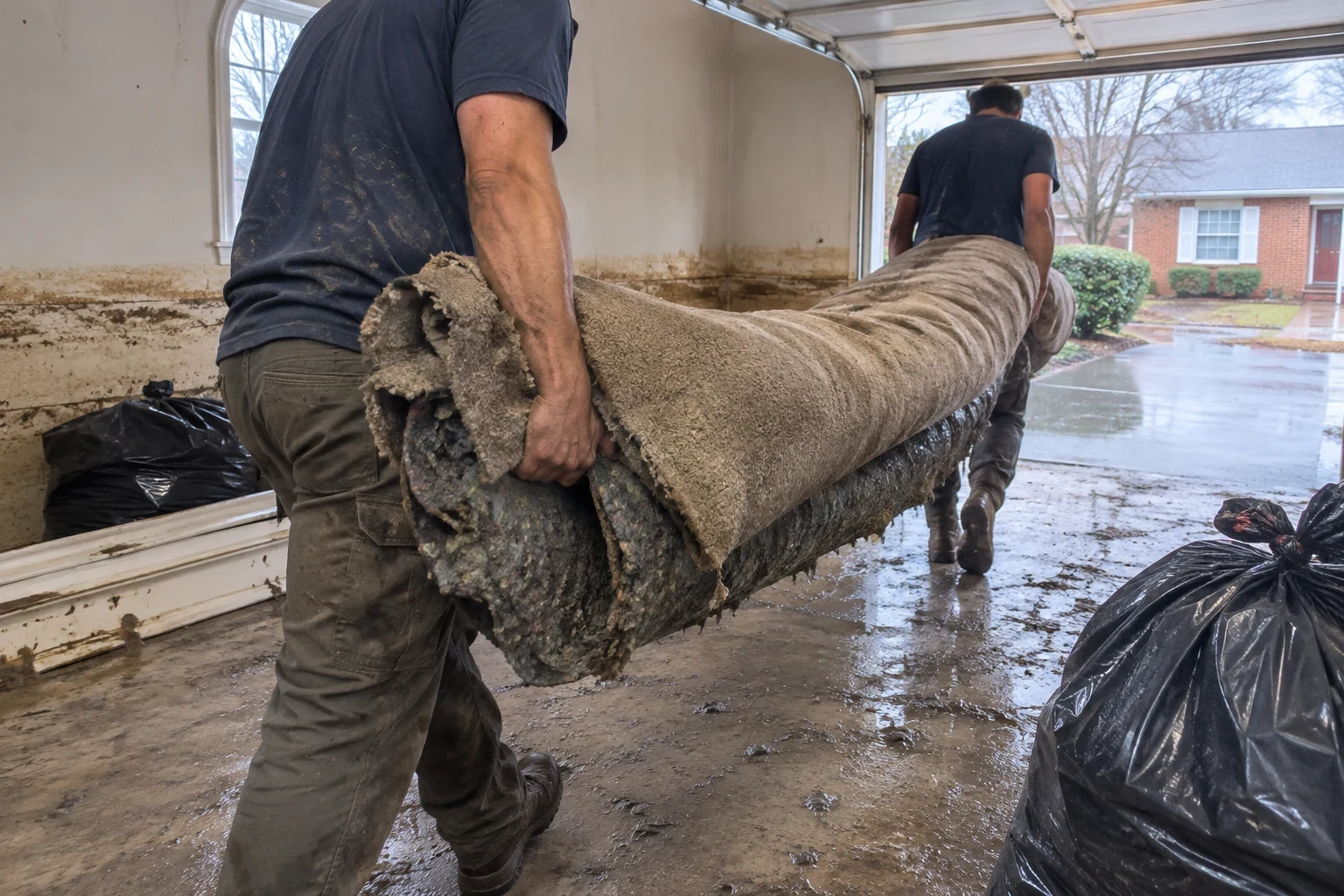
Flood Cleanup
We remove floodwater debris, sanitize what can be saved and open up the hidden spaces in older houses where water tends to linger.
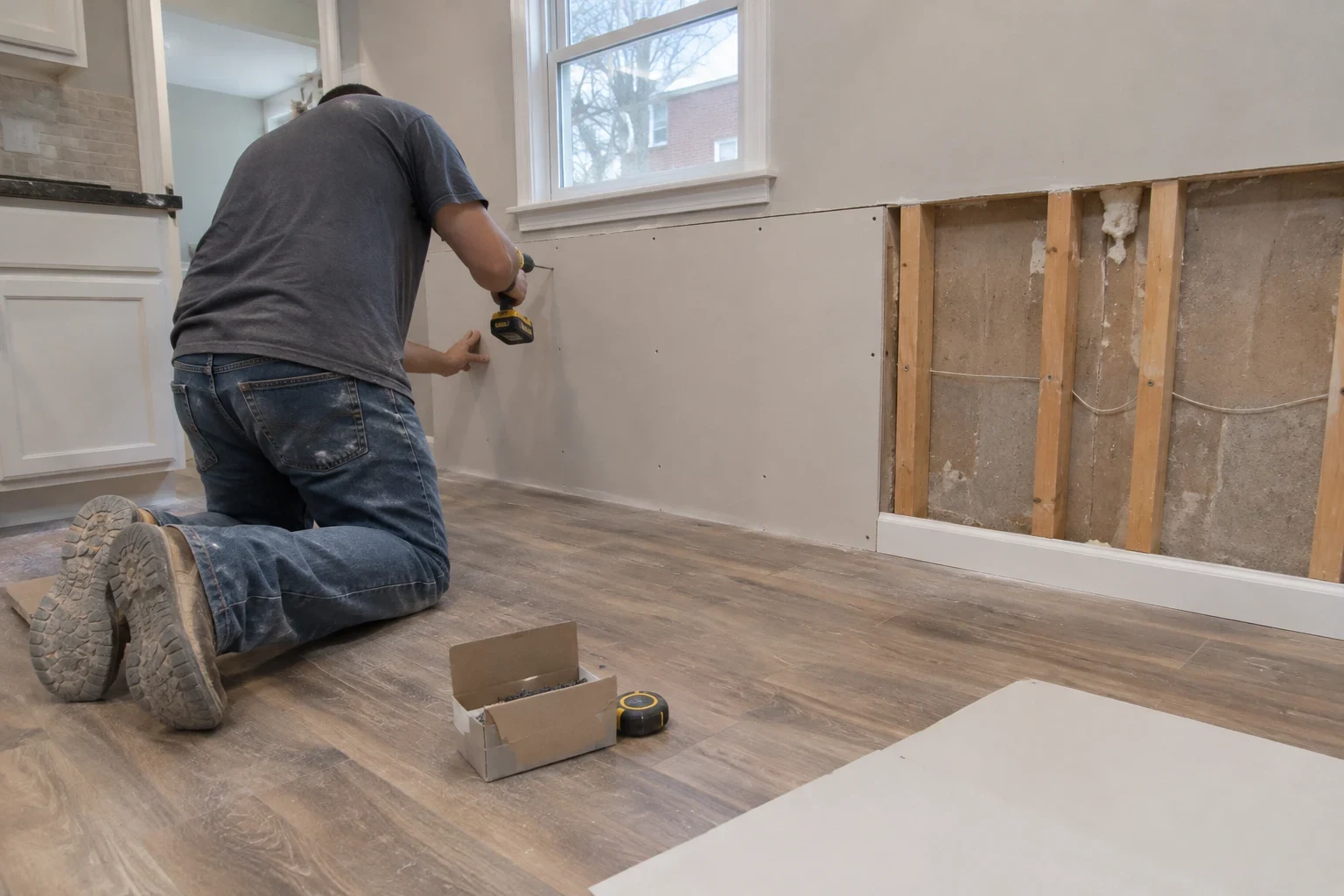
Repairs and Rebuild
Once your home is dry, we rebuild walls, floors, trim and cabinets so the repaired rooms match the rest of the house and meet current code.
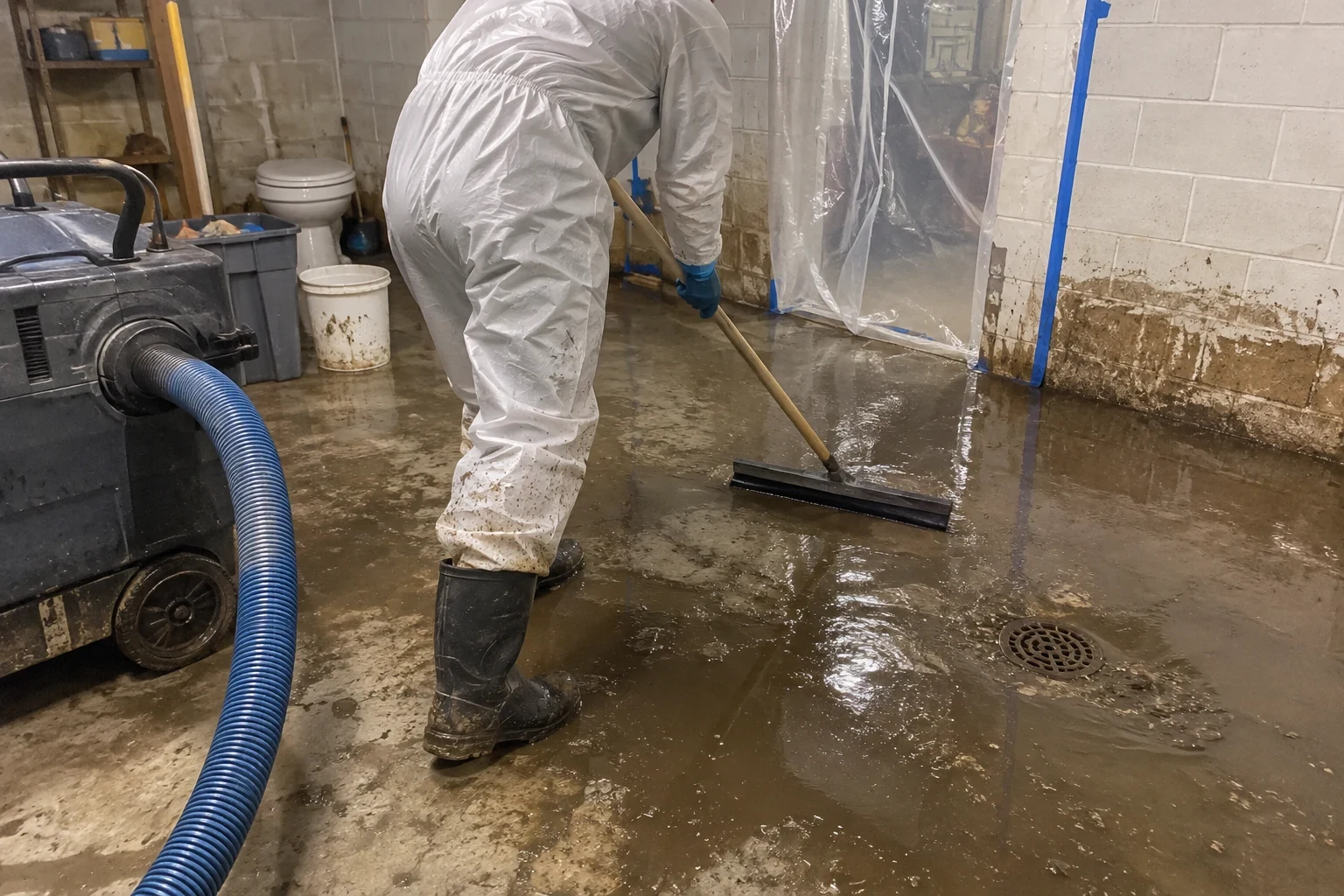
Sewage Cleanup
Safe removal of sewage, disinfection of every affected surface and a look at the aging drain lines that often cause the backup.
What Shapes the Cost of a Water Damage Job
No two losses are priced the same, because no two houses hold water the same way. These are the things that move the number most. We walk you through each one at the inspection, before any work begins.
Your estimate is written and itemized after we have seen the damage in person, and the on-site inspection is free. If your insurance is involved, we can share our documentation with your adjuster.
- Category of water
- Clean water from a supply line costs less to address than gray water from an appliance or contaminated water from a sewer backup, which requires protective gear and the removal of porous materials.
- How far it spread
- Water wicks up walls and travels under flooring. The square footage affected, and whether it reached a lower level, sets the size of the drying setup.
- Materials in the path
- Old-growth hardwood, plaster and lath, and built-in cabinetry take more time and attention to save than modern drywall and laminate. Saving them is often still worth it.
- Time before drying started
- A leak caught within a day or two usually dries cleanly. Water left longer raises the odds of mold and of materials that have to be replaced.
- What we find underneath
- Earlier patches, rotted sill plates or outdated plumbing sometimes turn up once flooring is lifted. We show you photos and talk it through before adding anything to the scope.
- Rebuild scope
- Matching existing trim profiles, refinishing floors or replastering adds to the final repairs, and the extent depends on how much original material could be kept.
Where We Work
We are based in East Highland Park, VA, and serve homes across eastern Henrico and the surrounding area. That includes Richmond, Highland Springs, Sandston, Mechanicsville, Glen Allen, Lakeside, Laurel, Montrose, Chamberlayne and Dumbarton.
- East Highland Park
- Richmond
- Mechanicsville
- Highland Springs
- Lakeside
- Montrose
- Chamberlayne
- Laurel
- Glen Allen
- Dumbarton
- Sandston
Not sure whether your street is covered? Ask when you phone and we will tell you right away.
How a Restoration Job Runs
From the first phone call to the last coat of paint, the steps stay the same. Here is what to expect.
- 1
Phone call and arrival
Tell us what happened and where the water is. For active leaks and flooding, our emergency crew heads out; for slower problems we set a time that suits you.
- 2
Inspection and mapping
We find the source, take moisture readings across floors, walls and ceilings, and photograph everything. You get a clear picture of what is wet and what is not.
- 3
Extraction and protection
We remove standing water with truck-mounted or portable extractors, protect unaffected rooms and furniture, and lift wet carpet or padding where it cannot be saved.
- 4
Controlled drying
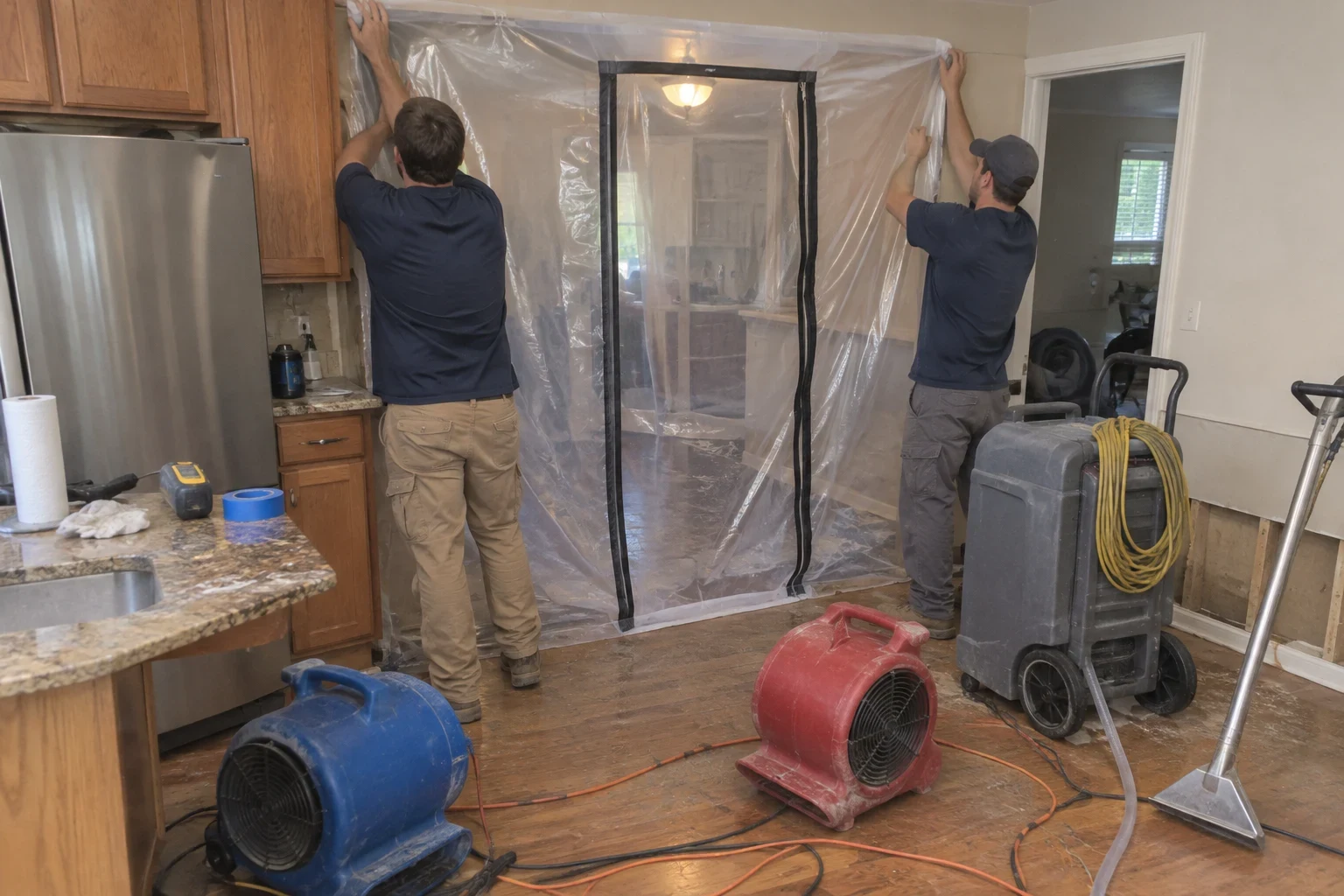
Air movers and dehumidifiers are placed for the specific materials in your home. We return to check readings and adjust the equipment until each area reaches its dry target.
- 5
Repairs and handover
Once everything tests dry, we rebuild: drywall or plaster, flooring, trim and paint. We clean up, walk the rooms with you and leave the space ready to live in.
A Restoration Company Built Around Older Houses
Much of the housing around East Highland Park was built decades ago, and it has character that is worth keeping. Thick plaster walls, heart pine floors and solid trim hold up well, but they react to water differently than newer materials do. Our work starts with knowing that difference.
We treat your home the way we would want ours treated. Floors are covered, furniture is moved with care, and equipment is placed so you can still use the rooms that stayed dry. When something must come out, we explain why before it goes.
We work with most major insurance companies, and we are glad to explain how the claim process usually unfolds. Your adjuster makes the coverage decisions; we supply the photos, readings and scope that help them make those decisions accurately.
Questions Homeowners Ask Us
- How quickly can you get to my home?
- For urgent water problems our goal is to be on site in 60 mins or less. Stopping the spread early protects floors and walls and lowers the chance of mold. When you phone, tell us whether water is still running so we can plan the visit.
- Do you work with my insurance company?
- We work with most major insurance companies. We document the damage with photos, moisture readings and a written scope, and we can share that with your adjuster. Coverage decisions are theirs, but we can explain how the process usually goes.
- Is the inspection really free?
- Yes. We come out, find the source, measure how far the water has spread and explain what we recommend at no charge. You decide whether to go ahead after you have seen the written estimate.
- Can my plaster walls and hardwood floors be saved?
- Often they can. Plaster and solid wood tolerate a clean water leak better than many people expect if drying starts promptly and is monitored. If readings show the material is too far gone, or the water was contaminated, we will say so and show you why.
- How long does drying take?
- Most rooms reach their dry target in a few days, though dense materials like plaster and thick subfloors can take longer. We check readings on each visit and only remove equipment when the numbers confirm it is dry, not just when the surface feels dry.
- What should I do before you arrive?
- If you know where the shutoff for your home's water supply is and can reach it without wading through standing water, close it. Stay away from outlets and cords near the wet area, and only flip breakers if the panel and the floor in front of it are dry. Carry papers, photos and small valuables to a room the water has not reached. Leave soaked carpet and drywall where they are so we can measure and photograph them.
- Will mold grow after a leak?
- It can, usually within a couple of days in warm, humid conditions. Prompt extraction and controlled drying are the best prevention. If we find existing growth, our mold remediation work contains and removes it before any repairs begin.
Water Where It Should Not Be?
Tell us what you are seeing and we will come take a careful look. You will know what is wet, what can be saved and what comes next before any work starts.